AI-Generated Traffic: Can Publishers Actually Make Money on It?
In the past, Google Search was the primary source of website traffic. Now, things have changed: users are increasingly asking questions directly to neural networks. Instead of scrolling through search results pages, people receive answers in chatbots, where the AI immediately provides a link to a specific resource.
This traffic from ChatGPT, Claude, Grok, or Perplexity is essentially a new type of conditional free traffic. The neural network finds your content on its own, analyzes it, and recommends it to the user. These are no longer “search clicks,” but targeted visits from people who have already received an initial answer and want to learn more.
As a publisher, you can gain free reach without investing in advertising. The key is understanding how this traffic stream works and how to monetize it effectively.
In this article, we’ll take a detailed look at how AI-generated traffic differs from traditional organic traffic, which quality metrics to watch, and which EVADAV ad formats will help you squeeze the maximum profit out of these visits.
What Is AI-Driven Conditional Free Traffic and Why Is It Growing?
Conditional free traffic is a way to attract an audience where you don’t pay directly for every click or impression (as you do with Facebook or Google Ads). You invest your time, create content or platforms, and people come to you “for free.” Previously, this mainly involved social media, forums, or regular search engines.
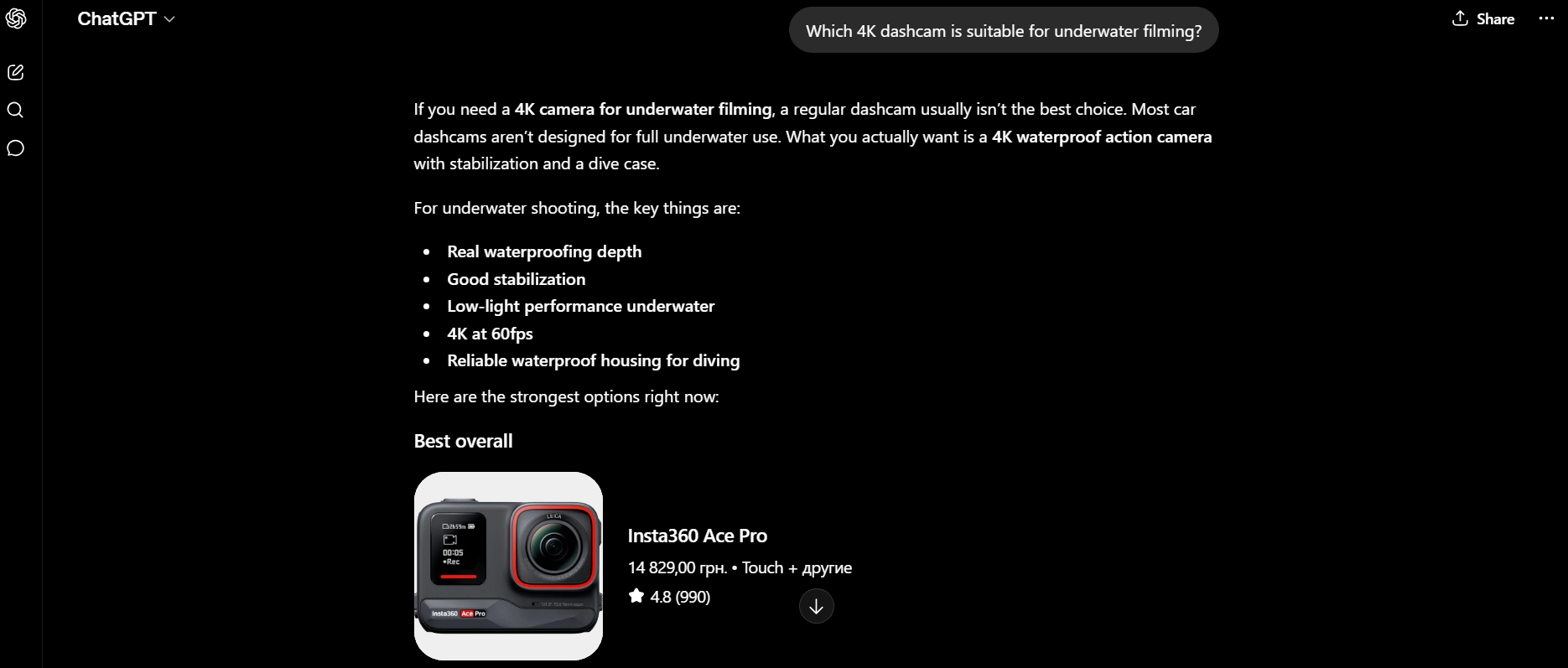
Today, AI has been added to this list. AI-generated conditional free traffic is when a neural network becomes your primary source of lead attraction and supports your ad campaign with additional organic exposure. For example, a user asks ChatGPT or Perplexity: “Which 4K dashcam is suitable for underwater filming?” AI doesn’t just make up an answer; it goes online, analyzes articles, and immediately provides the relevant information with links.
Here’s how ChatGPT would respond to a user’s query:
Why AI-powered searches are on the rise:
-
Neural networks instead of Google. A huge number of people have switched to the “question-answer” format. It’s more convenient for them to get a summary with links than to open dozens of tabs themselves.
-
AI trusts experts. The ChatGPT and Claude algorithms are designed to find high-quality information. If your content is well-structured and useful, the neural network will recommend you again and again.
-
No ads in the responses. In standard Google search results, the first 3-4 positions are paid ads. AI responses contain fewer links, they are organic, and users trust them more.
To understand the scale of what’s happening, just look at the latest referral traffic statistics from leading AI platforms:
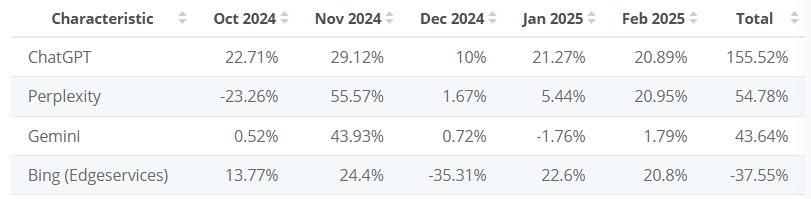
Source: https://www.statista.com/statistics/1614172/ai-search-engine-referral-traffic-growth/
ChatGPT traffic is showing significant growth: the total increase in clicks to external sites was 155.52%. This confirms that users trust links from the chatbot and actively click on them.
What’s the Difference Between AI Traffic and Regular?
If traditional organic traffic consists of people who are just starting to look for an answer, then AI traffic is an audience that’s already “warmed up.” According to McKinsey, about 50% of users exploit AI-powered search engines for finding information and making decisions.
The neural network essentially does all the legwork for the user: it filters out the noise, compares options, and provides a concise summary. As a result, the person visiting your site has already gone through the initial sales funnel within the chatbot. They don’t need the basics explained; they’ve come for a specific solution or in-depth analysis that the AI promised them. This is one of the reasons why ChatGPT referral traffic often behaves differently from traditional organic search traffic.
User Intent
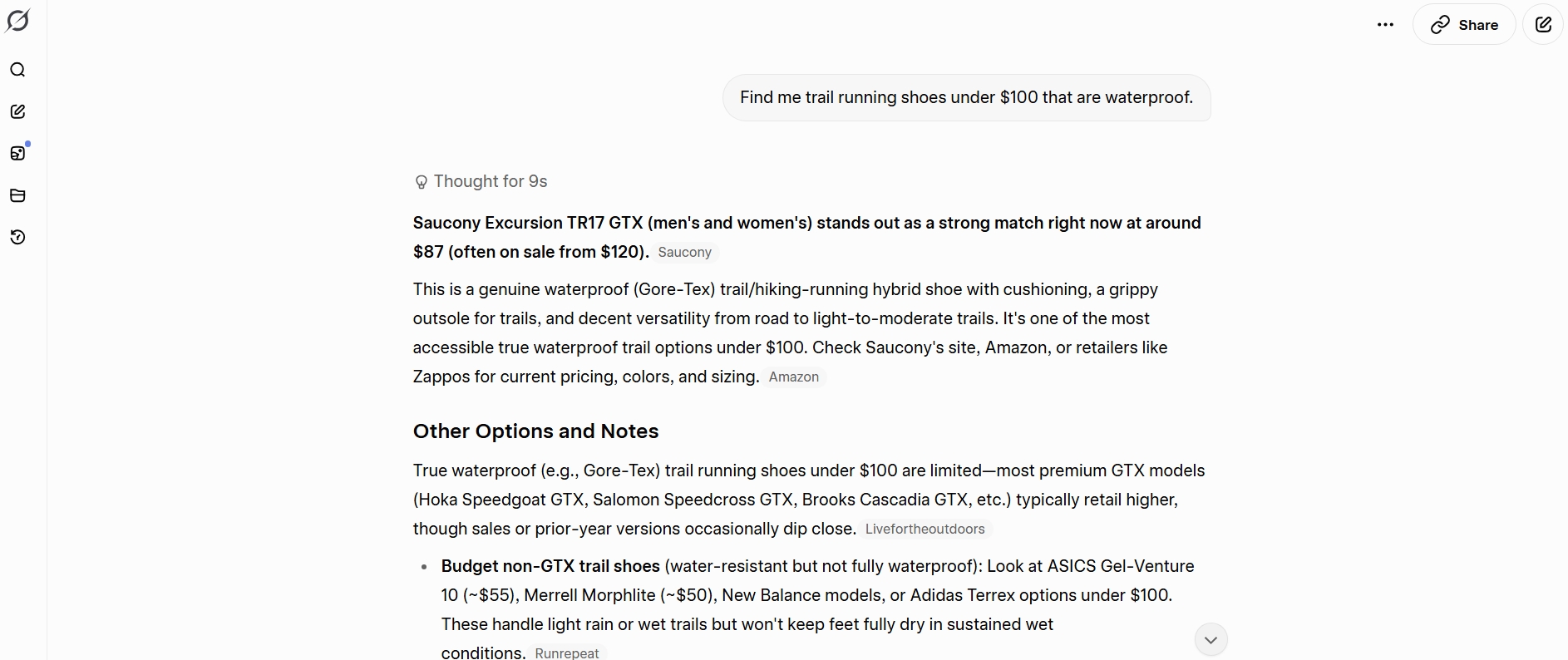
In a standard search, a person enters short phrases like “buy sneakers.” With a neural network, they write entire stories: “Find me trail running shoes under $100 that are waterproof.”
As a result, you get high-intent AI users with a very specific and detailed query. They know exactly what they want and are ready to take action.
Grok’s response to the user’s query:
Audience Quality
Users of advanced neural networks (especially paid versions of ChatGPT or Claude) are often a solvent, tech-savvy audience. Therefore, the conversion rate to registration or purchase from this traffic is usually higher than from “cold” traffic, making it especially valuable for CPA marketing projects.
Website Behavior
There’s a catch here. The user has already read the AI’s brief answer, so they won’t spend much time browsing your general sections. They’ll go straight to the point – to the table, overview, or offer that the neural network referenced.
In affiliate marketing, we often have to “push” the user. With AI-generated traffic, the user comes on their own because you are the source of knowledge. You don’t need to persuade them – you need to give them a convenient tool for conversion. This approach aligns perfectly with CPA marketing, where users are rewarded for completing specific actions such as registrations, subscriptions, or purchases.
Technical Metrics
-
The bounce rate may be slightly higher if the user quickly found the number they needed and left. But this can be fixed by properly placing ad units.
-
Page depth depends on how engaging your content is. If you provide a detailed guide, the AI user will read it all the way through.
Simply put, regular traffic is like a crowd at the market, while AI-driven organic traffic is a customer who walked into a specific store on the recommendation of a subject matter expert.
Can You Make Money From AI Traffic?
AI search monetization certainly cannot be considered a “magic button.” For ChatGPT or Perplexity to start driving people, you need to put in the effort. Neural networks don’t just scan the internet – they look for the clearest, most structured, and most expert answers. Successful AI traffic monetization depends on trust, so your website must become an authoritative LLM traffic website that AI systems trust and cite.
The growth of publisher ad revenue 2026 is increasingly tied to the ability to attract high-intent AI users. In modern performance marketing, publishers often use a programmatic advertising platform to monetize this traffic through two main models:
-
CPC (Cost Per Click) – payment per click. AI users are looking for specific information, so they are more likely to click on a relevant native ad.
-
CPM (Cost Per Mille) – payment per impression. If you provide in-depth content, the user spends more time on the page, which increases revenue from ad units.
How to Get AI to Notice You and Generate Revenue
More publishers are now focusing on content optimization for AI bots. Simply posting text is no longer enough. To appear in neural network results, a process known as Generative Engine Optimization (GEO), you need to follow new rules:
-
Get to the point right at the start. AI values your time and others’. If the page is dedicated to a specific offer or problem-solving, provide the key takeaway (price, key condition, main conclusion) in the very first paragraph. The neural network will quote this snippet and link to your resource as the original source. Also, make sure your web pages load fast (up to 3 seconds), especially their mobile versions.
-
Tables and lists instead of blocks of text. Structured data is the best “food” for bots. Lists of features, price comparison tables, or brief lists of pros and cons are indexed and cited far more readily than ordinary sentences.
-
Facts and figures without fluff. Neural networks are trained to filter out empty rhetoric. Include real metrics, technical specifications, and up-to-date data. The more verifiable specifics in your text, the higher your credibility in the eyes of algorithms.
-
Regular Updates. In 2026, keeping your information up-to-date is critical. If your page still displays offer terms, articles, or prices from two years ago, AI will stop recommending you. Even minor updates to dates and figures help you stay visible to chatbots.
What Formats are Suitable for Scaling AI Traffic?
To turn AI traffic into a stable income stream, you need a display ad network with formats tailored to different levels of user engagement. People coming from a neural network value specificity and expertise, so aggressive advertising can scare them away. EVADAV Ad Network solves this problem by offering a range of formats that cater to different levels of audience attention: from highly native recommendations to tools that keep the user engaged before they leave. EVADAV publishers can combine several ad formats to maximize AI traffic revenue.
Popunder
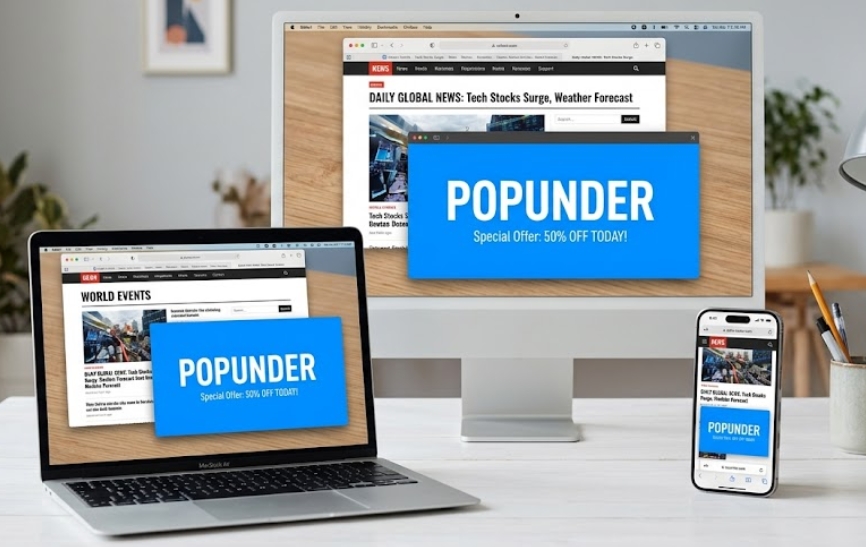
A classic format that EVADAV online advertising network has implemented with cutting-edge technology. Popunder ads work best as a safeguard for your revenue. The ad tab opens in a background window the moment the user clicks anywhere on the site. This allows you to monetize even those who visit the page for just 30 seconds to glance at a single number and leave. Thanks to fine-tuned frequency settings, Popunder doesn’t interfere with content consumption but guarantees you traffic monetization.
In-Page
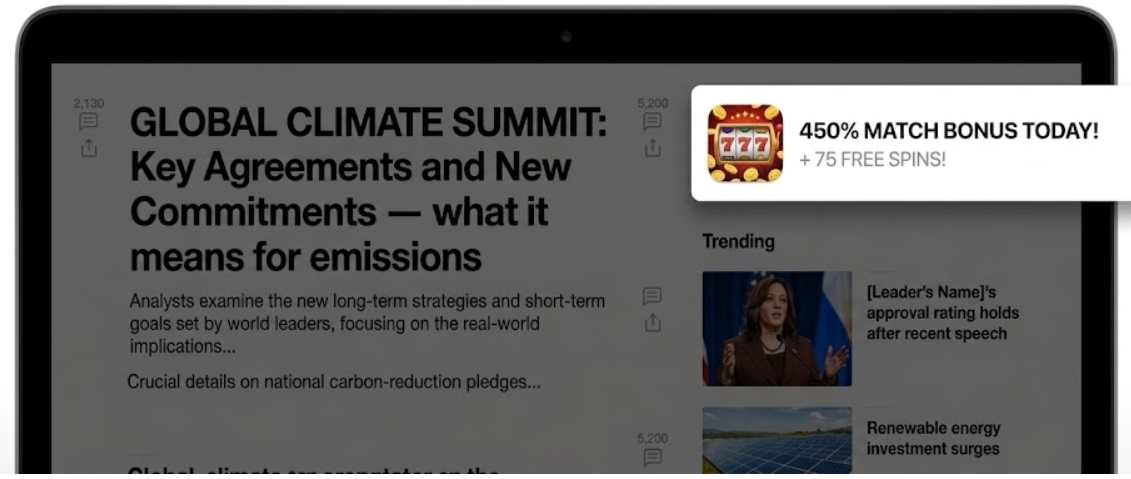
This is the ideal solution for mobile traffic, which makes up the majority of the AI segment. Unlike traditional push notifications, In-Page notifications are discreet alerts that appear directly on the website page. They do not require users to subscribe and display perfectly on all devices, including iOS. For traffic from neural networks, this appears as a system message or an important clarification, which significantly increases the chances of a click.
Push
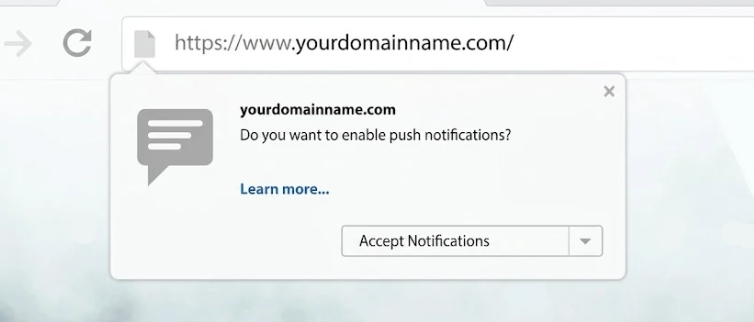
This format allows you to retain an audience that came from a neural network just once. By offering users the chance to subscribe to push notifications, you gain the ability to bring them back to the site or monetize them again through offer newsletters and retargeting ad campaigns. In EVADAV, algorithms select the timing and frequency of mailings so as not to annoy subscribers.
An example of a push notification subscription form is:
Native
Native Ads are the standard format for content-based projects and review sites, especially when working with a native advertising platform. Native ad units are tailored to recommendations for similar articles or useful services. Since ChatGPT readers are already in the mindset of seeking advice, they perceive such ads as a logical extension of the neural network’s response. This results in high CTR and loyalty, as the ads do not interrupt reading but rather complement it.
👉How EVADAV Ad Network adapts advertising solutions to the demands of the modern market
Content Strategy Tips for AEO/GEO Optimization
Working with AI-driven organic traffic requires flexibility. Whereas we used to build websites exclusively for Google’s search bots, we now need to focus on how language models interpret information. Your task is to make content as digestible as possible for algorithms and user-friendly for real people.
-
Use the “Inverted Pyramid” principle
Provide the most important answer or the gist of the message in the very first paragraph. Neural networks often scan only the beginning of the page to quickly find the answer to a user’s question. If the key point is buried in the middle of the text, AI may simply ignore your site.
-
Add FAQ sections
The “Frequently Asked Questions” section is the ideal format for capturing AI traffic. Phrase questions the way people ask them in chat rooms (for example: “How does conditional free traffic work?”), and provide brief answers.
-
Visualize data
Comparison tables, lists of features, and step-by-step instructions in bullet points are what neural networks love to cite most. The easier it is for the algorithm to extract specific data from your text, the higher the likelihood that it will link to your site.
-
Work on authority (E-E-A-T)
Neural networks try to avoid citing questionable sources. Add links to authoritative studies, cite expert opinions, and provide real-world case studies. In the world of AI traffic, a site’s reputation directly influences the volume of organic traffic.
-
Monitor speed and adaptability
Most requests to AI bots come from mobile devices. If your website takes too long to load or ad blocks cover the entire screen, users will leave in a matter of seconds. At online advertising platform EVADAV, all formats are already optimized for mobile, so your job is simply to ensure that the website itself runs quickly.
-
Multilingualism and localization
Neural networks are excellent translators, but they prefer to reference content written in the user’s language. If your offer targets different GEOs, create high-quality localized versions of your pages. This includes currency, units of measurement, and cultural nuances. The more precisely your content matches a user’s query from a specific country, the higher the likelihood that the neural network will choose you.
How to Turn Neural Network Responses into a Source of Stable Profit
The rules of the traffic game have changed irrevocably. AI tools have become a full-fledged traffic channel that can compete with the best advertising sources in terms of audience quality. Publisher monetization 2026 is already gaining momentum: while the market is still coming to terms with the scale of these changes, you can secure top positions in neural network responses and gain free reach.
At EVADAV, we’ve already prepared everything you need to work comfortably with any traffic. Our formats are tailored to different levels of user engagement: while the user is engrossed in reading, the native ad organically offers a solution, and if they’ve only stopped by for a second, In-Page or Popunder will take over. We help you effectively monetize your traffic while maintaining a balance between profitability and user comfort.
👉 Monetize AI traffic profitably with EVADAV Ad Network
Contact your EVADAV advertising network account manager for advice on the most effective website monetization strategy.